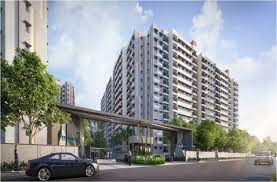

Key Skills Every Successful Commercial Architect Must Have
Creating designs that blend function and style requires more than imagination. Every accomplished designer in this sector uses diverse talents to plan structures that meet safety, aesthetic, and practical goals. Their work involves research, coordination, and analytical skills that help transform visions into impressive built spaces. Success depends on attention to detail and collaboration with professionals across various disciplines. Creativity remains vital, yet adaptability ensures each concept fulfills both client and environmental needs. Understanding essential capabilities allows one to grow steadily within this challenging profession. Many clients contact P A Architect to design sustainable homes that combine aesthetic appeal with modern functionality and comfort.
How does creativity shape better design?
Creative talent helps produce appealing building layouts while solving challenges effectively. Professionals achieve this by experimenting with innovative ideas that balance design quality and useful space efficiently through their thoughtful imagination and artistic awareness across multiple design concepts.
Why is attention to detail important?
Precision ensures safety, beauty, and cost efficiency. Focusing on small structural elements helps avoid design errors while improving accuracy in every project stage across conceptual planning and finished construction processes successfully handled with commitment.
How do problem-solving abilities help?
Quick thinking and flexibility help address project setbacks smoothly. Complex building plans develop unexpected challenges that require sharp reasoning to deliver effective outcomes matching both regulations and client needs effectively for successful completion.

How does communication improve work?
Clear interaction builds strong professional relationships through accurate message sharing across every design and planning stage. Effective communication ensures alignment of purpose between clients, architects, and supporting teams in complex tasks.
Why is technical knowledge essential?
Practical understanding strengthens every part of architectural projects and ensures reliable output in construction design planning.
- Knowledge supports technical drawings for structural accuracy in all layouts.
- Helps evaluate material durability and design reliability in all aspects carefully.
- Enables better usage of design tools to enhance precision throughout each stage.
How does adaptability affect progress?
Flexibility allows handling design updates effectively within time limits, maintaining quality across large and small construction projects efficiently.
- Responds rapidly to unexpected design requirements under tight schedules routinely ensured.
- Builds resilience during project challenges involving major specification adjustments easily.
- Helps meet diverse aesthetic needs from clients requiring quick variant solutions promptly.
Growing in this creative profession requires blending knowledge, clarity, and consistent practice. Professionals who keep learning become trusted contributors to sustainable progress. Skillful coordination, timely decision-making, and design intelligence help turn artistic imagination into practical structures that truly serve communities and enhance human living standards through thoughtful design collaboration. When planning urban developments, companies often hire P A Architect for their innovative space utilization and energy-efficient design approach.