

How to Choose the Right Bunk Bed for Your Child’s Bedroom
If you’re trying to make the most of a small bedroom, a bunk bed can be a real lifesaver. It’s not just about stacking two beds on top of each other — a well-chosen bunk bed can free up floor space, add storage, and even create a little adventure zone for your child. But picking the right one isn’t as simple as grabbing the first one you see. Let’s walk through everything you need to consider.
Why a Bunk Bed Might Be the Best Choice
Kids bunk bed is perfect for families with multiple children sharing a room or anyone looking to maximise limited space. By stacking beds vertically or raising one bed as a loft, you instantly free up room for play, study, or storage. In fact, a bunk bed can turn an otherwise cramped bedroom into a multifunctional space that feels much larger than it really is.
Beyond practicality, bunk beds can also make a room more exciting. Many kids love the novelty of sleeping on a top bunk or having a lofted area underneath for a desk, cubbies, or a reading nook. With the right design, it’s possible to make a bedroom both fun and functional.
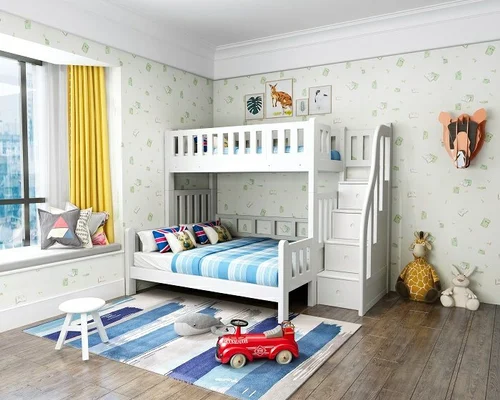
Safety Should Be Your Top Priority
Before anything else, safety comes first. Look for strong guardrails on the top bunk to prevent falls, and make sure the ladder or staircase is sturdy and non-slip. For younger children, the top bunk is usually recommended only for kids aged six and above.
Materials matter too. Solid wood or powder-coated metal frames are far more durable than cheap particleboard, which can weaken over time. Check that the bed has smooth edges and secure joints, as active kids will inevitably jump, climb, and play around it.
Ceiling height is another factor. You want enough clearance so your child won’t bump their head when sitting up on the top bunk. And don’t forget the spacing between the bed and other furniture, like wardrobes or desks, there should be enough room to move freely without knocking anything over.
Consider Size and Layout
Take measurements of the room before you even start browsing. You’ll need to know the floor space, ceiling height, and how the bed will fit with the rest of the furniture.
If the room is very small, a loft-style bed can work wonders. Raising the bed off the floor leaves room underneath for a desk, seating area, or storage drawers. Some bunk beds are designed to split into two single beds as your children grow, which adds flexibility over time. L-shaped bunk beds can also be a clever solution, fitting neatly into corners and freeing up central floor space for play or study.
Features That Make a Difference
Modern bunk beds often include a variety of features that can make a child’s bedroom more functional and organised:
- Storage drawers: Built-in drawers underneath the bed provide space for clothes, toys, or bedding, helping to reduce clutter.
- Pull-out trundles: Perfect for sleepovers, a trundle gives you an extra bed without taking up permanent floor space.
- Shelves and cubbies: Keep books, toys, or decorative items easily accessible and neatly organised.
- Built-in desks: Ideal for a loft-style bed, creating a dedicated study or homework area beneath the sleeping space.
- Customisable layouts: Some bunk beds allow you to separate the beds or add modular features as your children grow.
Choosing the right combination of these features can transform a simple bunk bed into a versatile piece of furniture that perfectly fits your child’s lifestyle and the room’s layout.
Style and Design
While safety and practicality come first, the design matters too. Bunk beds come in all sorts of styles — from simple wooden frames to sleek metal structures, or even playful designs with slides, tunnels, or themed decorations.
When choosing a design, consider your child’s age and personality, as well as how long you plan to keep the bed. Neutral colours and classic styles tend to be more versatile as children grow, while bold colours or themed beds can make a younger child’s room feel magical and fun.
Durability and Maintenance
A bunk bed is an investment, so durability is key. Look for beds that can withstand the natural wear and tear of active kids. Solid wood and metal frames are generally more long-lasting than cheaper alternatives.
Maintenance is another important consideration. Beds that are easy to clean, with removable or washable mattress covers and smooth finishes, will save you a lot of time. Checking the warranty and whether replacement parts are available is also wise — it’s a small detail that can make a big difference over the years.
If you’re looking for premium quality, consider Italian-made bunk beds. Italy is renowned for its craftsmanship, attention to detail, and use of high-quality materials. These beds not only tend to be more durable and stable, but they also often feature elegant designs and smart engineering that make them easier to maintain. Investing in a well-made Italian bed can mean fewer repairs, smoother mechanisms, and a longer-lasting, safer product for your child.
Practical Tips for Parents
Before you buy a bunk bed, keep these practical points in mind:
- Make sure the bed meets current safety standards.
- Measure the room carefully, including ceiling height and clearance for other furniture.
- Consider your child’s age and whether the top bunk is appropriate.
- Think about the features you actually need — storage, desks, or trundles — to avoid overpaying.
- Choose materials and construction that will hold up over time.
- Plan the assembly — some beds may require professional help.
- Visualise how the bed will function day-to-day, both folded and fully accessible, to ensure it fits the space comfortably.
Final Thoughts
A bunk bed can transform a child’s bedroom, making it more organised, functional, and fun. With careful planning, attention to safety, and the right combination of features, it’s possible to create a room that grows with your child. From space-saving loft beds to feature-rich bunk beds with storage, the options are almost endless — and the right choice can make your home feel bigger and more practical without compromising comfort or style.